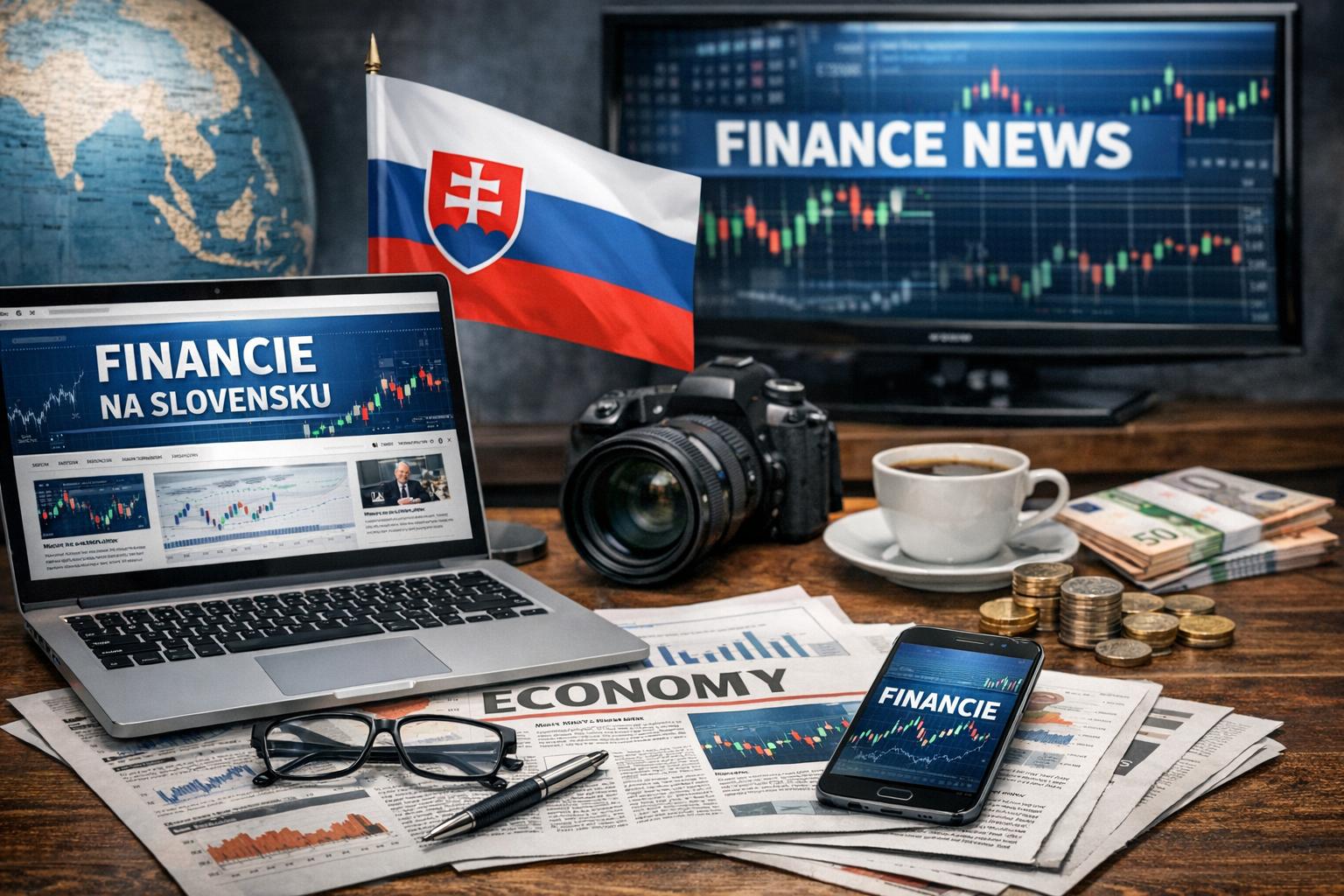
Overview of the Slovak Media Environment
Slovakia has a relatively small but diverse media market shaped by its population of approximately 5.4 million people, its membership in the European Union, and its political and economic transition after 1989. The country’s media landscape consists of public broadcasting, private television and radio networks, national and regional print newspapers, digital-only news platforms, and a wide range of specialized publications. Within this broader ecosystem, finance media in Slovakia represents a defined and increasingly sophisticated segment dedicated to economic policy, corporate activity, financial markets, personal finance, taxation, and regulatory developments.
The Slovak media sector reflects a balance between domestic ownership groups, foreign investors, and cross-border media companies with operations in Central Europe. Over the past two decades, digitalization has significantly altered patterns of content production and consumption. This transformation has had a particularly strong impact on financial journalism, which benefits from the speed, data capacity, and interactivity of online publishing. Traditional print channels remain relevant, but digital platforms now serve as the primary distribution method for financial news and analysis.
Financial journalism occupies an important role in Slovak public discourse. As a small, export-oriented economy integrated into the euro area, Slovakia is sensitive to global and European developments. Media coverage of economic matters therefore serves both professional audiences and households seeking to understand domestic and international changes that directly affect employment, wages, prices, taxation, and investment returns.
Historical Development of Financial Journalism in Slovakia
Prior to 1989, economic coverage in Slovakia was shaped by the centralized structure of the socialist state. Independent financial journalism did not exist in the contemporary sense. Reporting on economic matters was primarily informational and aligned with state planning objectives. Private capital markets, commercial banking competition, and corporate transparency were limited, reducing the demand for analytical business reporting.
The political and economic transformation of the early 1990s created entirely new demands for media coverage. Privatization, restructuring of state enterprises, establishment of private banks, and the emergence of a functioning stock exchange required accessible information. Both entrepreneurs and individuals entering the market economy needed explanations of property rights, taxation rules, capital formation, and investment opportunities. This transitional environment stimulated the creation of new economic segments in general newspapers and the foundation of specialized business publications.
The establishment of the Bratislava Stock Exchange and the liberalization of financial services accelerated this process. During the late 1990s and early 2000s, more structured corporate reporting, banking sector analysis, and coverage of foreign direct investment became standard in leading newspapers. Slovakia’s accession to the European Union in 2004 further expanded the scope of financial journalism. EU regulatory frameworks, structural funds, and cross-border trade introduced additional complexity into economic reporting.
The adoption of the euro in 2009 was another turning point. Financial media increasingly analyzed European Central Bank decisions, fiscal coordination rules under the Stability and Growth Pact, and the implications of eurozone membership for domestic economic performance. Over time, journalism evolved from introductory explanations about market economics to detailed macroeconomic analysis, fiscal monitoring, and reporting on regulatory compliance.
Major Newspapers with Financial Coverage
Several mainstream newspapers provide structured financial coverage as part of their daily reporting. Among the most widely recognized are SME, Pravda, and Hospodárske noviny, each of which operates both print and digital platforms.
Hospodárske noviny is considered the most specialized national daily focusing on business and economic reporting. It is part of a Central European media group and offers extensive coverage of corporate performance, energy policy, public procurement, capital markets, real estate, and banking. Its online portal, available at hnonline.sk, provides continuously updated coverage as well as subscriber-only analytical articles. The publication frequently publishes interviews with executives, economic analysts, and policymakers. Its audience consists primarily of professionals in management, finance, public administration, and consulting, although its digital expansion has broadened readership.
SME, accessible at sme.sk, integrates economic reporting within a broader national news framework. Its business section covers fiscal policy, labor markets, consumer prices, housing trends, and corporate developments. The reporting is structured to reach a general audience, providing contextual explanations rather than purely technical financial analysis.
Pravda, available at spravy.pravda.sk, similarly includes economic reporting within its comprehensive news agenda. Its coverage often addresses social implications of fiscal measures, income distribution, and public policy debates. While it does not focus exclusively on finance, economic developments receive sustained attention, particularly during budget negotiations or periods of macroeconomic instability.
These newspapers illustrate a broader pattern in Slovakia: economic reporting is embedded in general political journalism while also supported by specialized outlets catering to professional readership.
Digital Transformation and Online Financial Portals
Digitalization has substantially reshaped financial journalism in Slovakia. Most established newspapers operate subscription-based models that combine open-access articles with premium analysis behind paywalls. These models provide a critical revenue stream in a small-language market where advertising volumes alone are insufficient to sustain investigative or analytical reporting.
The transition to digital platforms has enabled more dynamic presentation of financial data. Interactive graphs tracking inflation, public debt ratios, or housing prices have become common features. Newsletters summarizing weekly market developments and sectoral updates are widely distributed to subscribers. Podcasts and short video briefings are increasingly used to explain monetary policy or legislative changes.
Beyond mainstream newspapers, several Slovak portals focus primarily on personal finance and financial services comparison. These websites offer practical tools such as mortgage calculators, loan comparison tables, and savings simulations. Editorial content often accompanies these tools, providing analysis of interest rate movements, bank product innovations, or changes in central bank regulation. The close integration of editorial and utility content reflects growing demand for actionable financial information among households.
The digital shift has also facilitated data-driven journalism. Journalists increasingly rely on publicly available datasets from the Statistical Office of the Slovak Republic, the Ministry of Finance, and the National Bank of Slovakia. Visual explanations of budget deficits, demographic projections, or industrial output trends are regularly published, improving accessibility without oversimplifying complex subjects.
Broadcast Media and Economic Reporting
Television and radio maintain an important presence in the Slovak media environment, though they are less specialized in financial reporting than print and digital outlets. The public broadcaster RTVS (Radio and Television of Slovakia) incorporates economic news into its national news bulletins and current affairs programs. Coverage typically focuses on macroeconomic trends, employment data, inflation developments, and parliamentary debates regarding fiscal legislation.
Private broadcasters also devote airtime to economic developments, particularly when financial issues have direct consumer impact. Increases in mortgage rates, energy price adjustments, or pension reform proposals often lead to extensive coverage. Business-focused segments may include commentary from academic economists, representatives of financial institutions, or government officials.
Radio programs occasionally feature interviews with financial analysts and representatives of industry associations. However, in comparison with online platforms, broadcast media usually provide summary-level analysis due to time constraints. In-depth economic discussion tends to be published in written form, where complex charts and tables can be examined in detail.
Specialized Magazines and Professional Publications
In addition to daily newspapers and online portals, Slovakia hosts several specialized economic magazines and professional journals. These publications are aimed at accountants, auditors, tax advisers, compliance officers, financial managers, and legal professionals.
Professional journals frequently focus on technical details of newly adopted legislation, tax code amendments, accounting standards, and regulatory frameworks. Given Slovakia’s EU membership, many articles analyze European directives and their domestic transposition. Topics such as value-added tax harmonization, corporate reporting obligations, and capital adequacy rules are discussed in detail.
These publications generally operate on subscription-based models and rely less on advertising revenue. Their readership is limited but highly specialized. In many cases, expert contributors include practicing lawyers, economists, tax consultants, and academic specialists. The tone is typically formal and analytical, reflecting the professional orientation of the audience.
Sector-specific magazines cover areas such as construction, automotive manufacturing, information technology, and energy. Given Slovakia’s significant automotive industry, for instance, sectoral reporting often examines production output, foreign investment flows, supply chain integration, and regulatory changes affecting emissions or labor relations.
Coverage of Macroeconomic Policy and European Integration
Macroeconomic reporting is a central dimension of finance media in Slovakia. As part of the euro area, the country’s monetary policy coverage focuses primarily on decisions adopted by the European Central Bank. Interest rate changes, quantitative tightening measures, and inflation forecasts are frequently analyzed in relation to domestic credit conditions and household borrowing costs. The ECB’s official communications are available at ecb.europa.eu, and Slovak journalism often references these materials when interpreting European-wide measures.
Fiscal policy is another major thematic area. Annual state budget negotiations generate comprehensive coverage, including projections of tax revenue, social expenditure, infrastructure investment, and deficit targets. Journalists frequently consult reports from the Ministry of Finance and parliamentary committees. Public debt developments and compliance with EU fiscal rules are explained for both professional and general audiences.
European structural and investment funds receive ongoing attention. Given Slovakia’s status as a net recipient of EU funds, allocation efficiency and transparency are regularly examined. Media reports outline which sectors benefit most from European financing and how these funds influence regional development.
The Role of the National Bank of Slovakia
The National Bank of Slovakia (NBS), accessible at nbs.sk, is a primary institutional source for financial journalism. As the central bank and financial supervisory authority, it publishes data on inflation, banking sector stability, household debt, and macroprudential regulation. Journalists rely heavily on its reports, forecasts, and press releases.
Although monetary policy decisions are taken collectively within the ECB’s Governing Council, the NBS provides domestic interpretation and supervisory oversight. Financial media frequently reference NBS announcements on mortgage lending standards, capital buffers for banks, and risk assessments for the housing market.
The central bank also conducts educational initiatives aimed at financial literacy. Media outlets sometimes collaborate with NBS experts to produce explanatory content regarding inflation measurement, interest rate transmission mechanisms, and regulatory safeguards in the banking sector.
Investigative Financial Journalism and Transparency
Investigative journalism in Slovakia often intersects economic and political reporting. Media organizations have examined issues such as public procurement procedures, allocation of EU funds, corporate ownership transparency, and tax optimization strategies. Some of this reporting has been undertaken by independent outlets and investigative platforms alongside mainstream newspapers.
Major corruption cases and public finance controversies have drawn domestic and international attention. International outlets such as BBC News, Reuters, and Financial Times have reported on developments in Slovakia when economic investigations carried broader regional significance. Slovak media frequently cite these organizations in cross-border financial reporting, particularly when multinational corporations or European institutions are involved.
Investigative projects typically draw upon public procurement databases, company registries, and court filings. Transparency initiatives and open data platforms have contributed to improved access to financial information, enabling journalists to perform structured analysis of ownership networks and budget expenditures.
Personal Finance and Household Economics
Personal finance reporting has expanded significantly, particularly during periods of inflation volatility and rising interest rates. Articles frequently explain savings products, consumer credit conditions, pension fund performance, and real estate financing. Mortgage refinancing options and comparisons of fixed versus variable interest rates receive consistent attention.
Slovakia’s multi-pillar pension system generates sustained media coverage. Journalists analyze contribution rates, demographic projections, and investment allocation rules for private pension funds. During annual tax filing periods, media outlets publish detailed explanatory guides and examples to clarify compliance requirements.
Financial literacy has become a recurrent theme. Outlets present accessible explanations of compound interest, inflation adjustment, and investment diversification. While written for a general audience, such coverage often references official data from the National Bank of Slovakia and the Statistical Office.
Ownership Structure and Editorial Independence
Ownership concentration and editorial independence remain relevant topics within the Slovak media sector. Media companies operate under a combination of domestic and foreign ownership structures. Transparency of ownership and separation between editorial decisions and commercial interests are frequently discussed within professional forums.
Economic reporting sometimes addresses the financial sustainability of media companies themselves. Declining print advertising revenue and the shift toward subscription-based digital models have required operational adjustments. Media outlets analyze not only national economic data but also their own industry’s revenue structure and competitive pressures.
Challenges and Structural Constraints
Slovakia’s small population limits the scale of potential subscription growth. The Slovak-language market constrains audience size relative to larger European economies. As a result, financial journalism must operate efficiently while maintaining expertise.
Speed of information flow presents an additional challenge. Financial developments are rapidly disseminated through social media and international platforms. Slovak outlets must verify information before publication, particularly when reporting on bank stability or regulatory enforcement actions. Accuracy is essential to prevent market distortions or unwarranted public concern.
Maintaining specialized expertise is another structural requirement. Financial journalists must understand accounting rules, regulatory procedures, and macroeconomic indicators. Continuous professional training and collaboration with academic institutions contribute to maintaining analytical standards.
Regional and International Context
Slovakia’s economy is closely connected to the Czech Republic, Germany, Austria, Hungary, and other European partners. Media coverage frequently addresses cross-border industrial production, trade performance, and supply chain dynamics. The automotive sector, as a central pillar of Slovak exports, receives particular attention in both domestic and international reporting.
Global economic developments are integrated into national coverage. Exchange rate movements, commodity prices, and geopolitical risks are analyzed in relation to domestic growth prospects. International sources such as Bloomberg and CNBC are sometimes referenced in broader market reporting.
Outlook for Financial Media in Slovakia
The future development of finance media in Slovakia is likely to be shaped by continued digital innovation, subscription-based revenue models, and audience demand for specialized analysis. Multimedia content, including podcasts and video explainers, is expected to expand. Data journalism and interactive visualization tools may become more advanced as public data accessibility improves.
Personal finance reporting is likely to remain prominent given demographic trends, housing market dynamics, and retirement planning needs. Professional publications will continue to provide technical expertise for accountants, advisers, and compliance specialists.
In sum, financial journalism in Slovakia forms a structured and evolving component of the national media system. It has developed alongside economic transition, EU integration, and digital transformation. Through a combination of mainstream newspapers, online portals, broadcast summaries, investigative projects, and specialized journals, it provides analysis of macroeconomic policy, corporate performance, and household finance. Its sustainability will depend on maintaining editorial credibility, technological adaptation, and sufficient financial resources within the constraints of a small-language market.